
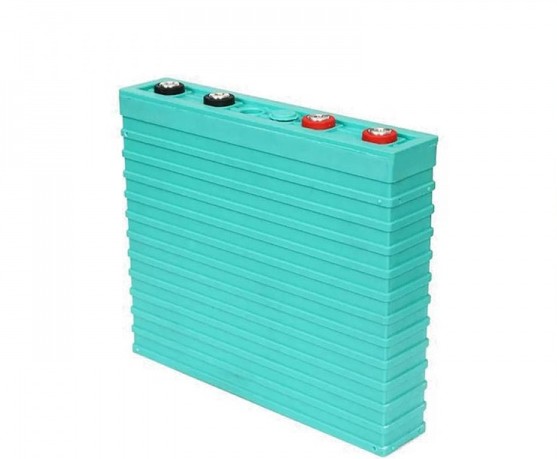

Lithium Iron Phosphate (LiFePO4) technology has emerged as a groundbreaking advancement in the realm of battery solutions, offering a plethora of benefits that make it an attractive option for various applications. This type of lithium-ion battery is renowned for its long cycle life, superior safety features, and environmental friendliness.
At the heart of LiFePO4 technology lies its unique chemistry. Unlike traditional lithium-ion batteries that use cobalt oxide or manganese oxide cathodes, LiFePO4 batteries utilize iron phosphate as their cathode material. This difference in composition contributes significantly to their enhanced thermal and chemical stability. As a result, these batteries are far less prone to overheating and combustion—a critical advantage over other types of lithium-ion technologies.
One of the most compelling attributes of Cellules LiFePO4 batteries is their longevity. These cells can endure thousands of charge-discharge cycles without significant degradation in performance or capacity retention. This makes them particularly suitable for applications where reliability and durability are paramount, such as in electric vehicles (EVs), renewable energy storage systems, and backup power supplies.
Safety is another cornerstone benefit offered by LiFePO4 technology. The inherent stability provided by iron phosphate minimizes the risk of thermal runaway—a dangerous situation where increased temperature leads to further reactions within the cell, potentially causing fires or explosions. Consequently, this makes LiFePO4 batteries one of the safest options available on the market today.
In terms of environmental impact, LiFePO4 cells present a more eco-friendly alternative compared to other lithium-ion chemistries that rely heavily on cobalt—a metal associated with ethical mining concerns and supply chain issues. Iron phosphate is abundant and non-toxic; hence its extraction poses minimal environmental risks.
Furthermore, these batteries exhibit excellent electrochemical performance across a wide range of temperatures—another factor contributing to their versatility across different sectors including automotive industries where extreme conditions are often encountered during operation phases like charging/discharging processes under varying climatic conditions globally distributed around Earth’s surface area coverage zones from tropics through temperate regions up towards polar extremes both Northwards & Southwards alike!