
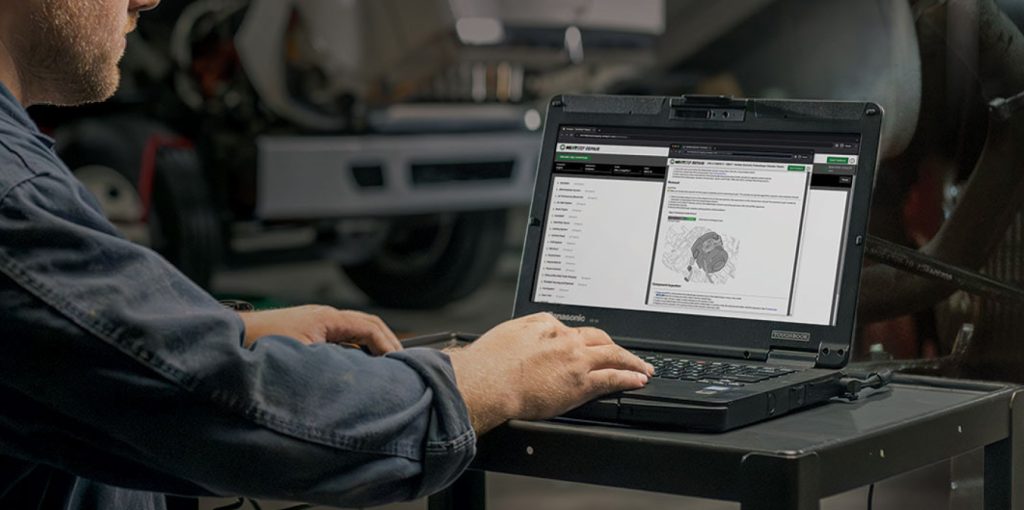

Integrating and using DiagnosticLink (DDDL) software with other tools can significantly enhance diagnostic capabilities, streamline workflows, and improve overall efficiency in vehicle maintenance and repair tasks. DDDL software is a powerful tool used primarily for diagnosing and troubleshooting Detroit Diesel engines, but its full potential is realized when seamlessly integrated with complementary tools.
To begin with, understanding the core functionalities of DDDL is crucial. It provides comprehensive access to engine parameters, fault codes, and real-time data monitoring. This foundational knowledge allows technicians to effectively diagnose issues within Detroit Diesel engines. However, integrating this software with additional diagnostic tools can provide a more holistic view of vehicle health.
One effective way to integrate DDDL is by pairing it with telematics systems. Telematics devices collect vast amounts of data from various vehicle sensors in real time. By syncing this data with DDDL’s diagnostics capabilities, technicians can gain insights not only into engine performance but also into how driving habits or environmental conditions might be affecting the vehicle’s health. This integration allows for predictive maintenance strategies that preemptively address potential issues before they escalate into costly repairs.
Additionally, integrating DDDL with fleet management software enhances operational efficiency across entire fleets. Fleet management platforms often include features such as route optimization, fuel consumption tracking, and driver behavior analysis. When combined with the detailed engine diagnostics provided by DDDL, fleet managers can make informed decisions about vehicle deployment and maintenance scheduling based on precise data rather than estimates or assumptions.
Furthermore, leveraging cloud-based platforms alongside DDDL offers significant benefits in terms of data accessibility and collaboration among team members. Cloud integration enables seamless sharing of diagnostic reports generated by DDDL across different departments or locations without the need for physical transfers or manual uploads. This ensures that everyone involved in maintaining fleet vehicles has access to up-to-date information at all times.
For workshops focusing on continuous improvement processes like Six Sigma or lean methodologies, integrating DDDL analytics into these frameworks helps identify inefficiencies within existing maintenance procedures quickly. The detailed reports generated by the software allow teams to pinpoint recurring problems accurately and develop targeted solutions that enhance productivity while reducing downtime.
Finally, training staff on both basic operations within the standalone version of DiagnosticLink as well as its integrated applications ensures maximum utility from these technological investments over time; ongoing education keeps users proficient amidst ever-evolving automotive technologies which ultimately translates into better service delivery outcomes overall!
In conclusion: Integrating DiagnosticLink (dddl software strategically alongside other advanced technologies maximizes returns through enhanced insights leading towards smarter decision-making processes resulting in improved results throughout every aspect related directly/indirectly involving vehicular operations thereby ensuring optimal performance levels consistently maintained long-term!