
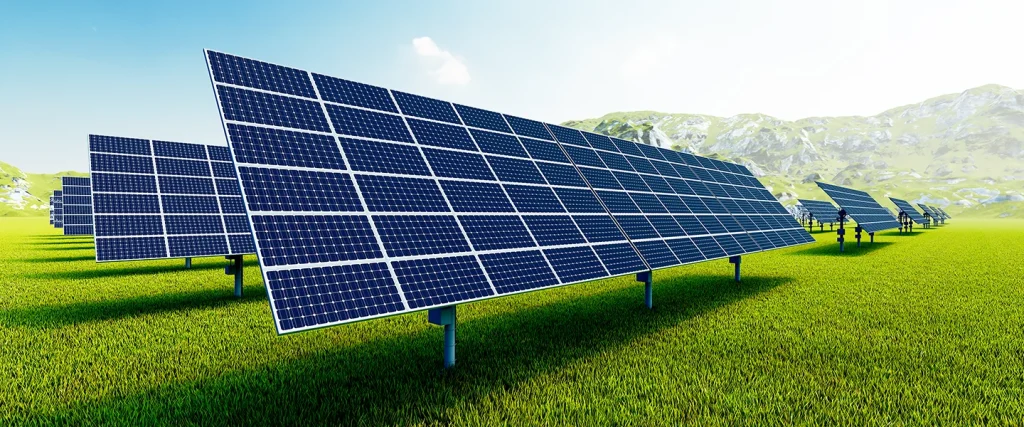

Choosing the right photovoltaic (PV) panel is crucial for maximizing efficiency and ensuring a good return on investment. With the increasing demand for renewable energy solutions, understanding how to select the best PV panels can significantly impact both performance and cost-effectiveness of your solar power system.
Firstly, consider the efficiency rating of the PV panels. Efficiency refers to how well a panel can convert sunlight into usable electricity. Higher efficiency panels produce more electricity from a given amount of sunlight and are ideal if you have limited space. Monocrystalline panels generally offer higher efficiencies compared to polycrystalline ones, though they might come at a higher price point.
Next, evaluate the quality and durability of the panels. Check for certifications such as IEC 61215 or IEC 61730 which indicate that the panel has been tested under international standards for safety and performance. High-quality materials like tempered glass and robust framing contribute to longer-lasting panels that withstand various weather conditions.
Consider also the temperature coefficient, which indicates how much a panel’s output decreases as temperatures rise above 25°C (77°F). Panels with lower temperature coefficients perform better in hot climates since their efficiency drops less with rising temperatures. This factor is particularly important in regions with high panouri fotovoltaice ambient temperatures where heat can significantly affect energy production.
The warranty provided by manufacturers is another critical aspect to examine when choosing PV panels. Most reputable manufacturers offer warranties ranging from 10 to 25 years for product quality and performance guarantees ensuring that their panels will produce at least 80-90% of their rated capacity over this period. A longer warranty often reflects confidence in product durability and reliability.
Additionally, assess your specific energy needs by calculating your average daily consumption measured in kilowatt-hours (kWh). This calculation helps determine how many solar panels you’ll need based on their wattage output and available sunlight hours in your location. Tools like online calculators or consulting with solar professionals can provide estimates tailored to your situation.
Finally, consider aesthetic preferences if they matter for installation visibility areas such as rooftops or facades. Some homeowners prefer all-black monocrystalline cells due to their sleek appearance compared to blue-hued polycrystalline options.
In conclusion, selecting photovoltaic panels involves balancing multiple factors including efficiency ratings, material quality, temperature coefficients, warranties offered by manufacturers along with assessing personal energy needs against budget constraints while considering aesthetics where applicable ensures optimal decision-making towards achieving maximum efficiency from installed systems thereby contributing positively towards sustainable living goals through harnessing clean renewable solar power effectively over time without compromising on expected returns financially environmentally long-term investments made today benefiting future generations tomorrow alike!


